
-
Best sellerMRPRegular price ₹ 180Regular priceUnit price perMRP
-
Best sellerMRPRegular price ₹ 699Regular priceUnit price perMRP
₹ 699Sale price ₹ 699 -
Sold outMRPRegular price ₹ 300Regular priceUnit price perMRP
₹ 300Sale price ₹ 300 -
MRPRegular price ₹ 280Regular priceUnit price perMRP
₹ 280Sale price ₹ 280 -
MRPRegular price ₹ 340Regular priceUnit price perMRP
₹ 340Sale price ₹ 340 -
Sold outMRPRegular price ₹ 759Regular priceUnit price perMRP
₹ 799Sale price ₹ 759 -
MRPRegular price ₹ 415Regular priceUnit price perMRP
₹ 415Sale price ₹ 415 -
MRPRegular price ₹ 190Regular priceUnit price perMRP
₹ 190Sale price ₹ 190 -
MRPRegular price ₹ 249Regular priceUnit price perMRP
₹ 249Sale price ₹ 249 -
MRPRegular price ₹ 499Regular priceUnit price perMRP
₹ 499Sale price ₹ 499 -
MRPRegular price ₹ 299Regular priceUnit price perMRP
₹ 299Sale price ₹ 299 -
Sold outMRPRegular price ₹ 409Regular priceUnit price perMRP
₹ 409Sale price ₹ 409 -
Sold outMRPRegular price ₹ 409Regular priceUnit price perMRP
₹ 409Sale price ₹ 409 -
MRPRegular price ₹ 449Regular priceUnit price perMRP
₹ 449Sale price ₹ 449

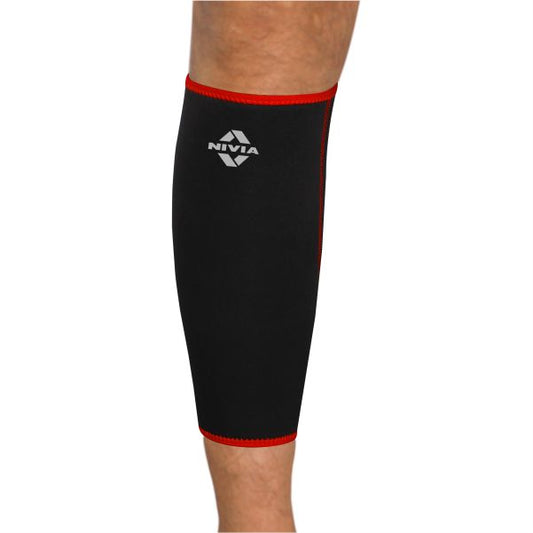
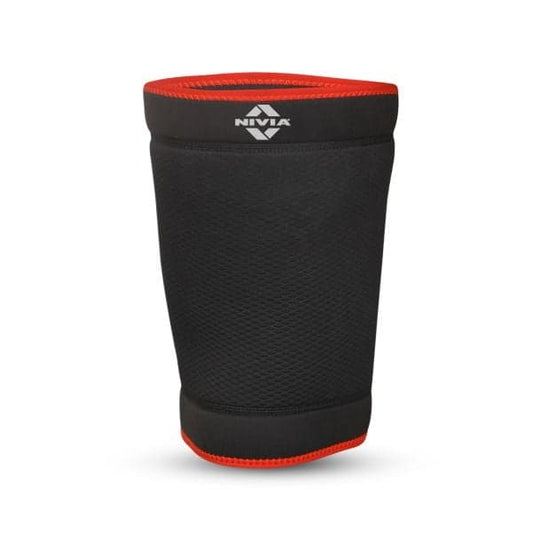

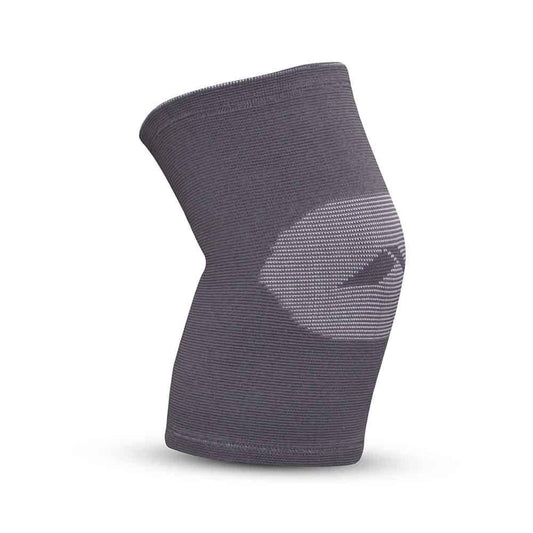
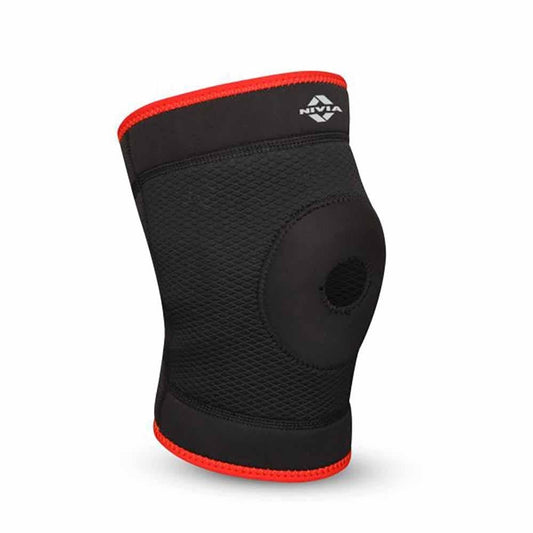
Best Knee Support for Pain Relief and Recovery
You push hard in every session. Then one morning, your knee aches before you even lace up your shoes. That dull throb during a run, that sharp pinch on the stairs, sound familiar? Millions of active people deal with knee pain daily, and most of them push through it without the right support. That cycle leads to longer recovery, missed training, and real injury risk.
The right knee support changes that equation fast. This guide covers exactly what knee supports do, which products work best for sports and recovery, and how to pick the one that fits your lifestyle and goals.
What a Knee Support Actually Does for Your Joints
A knee support stabilizes the joint, reduces swelling, and keeps your kneecap tracking correctly during movement. It applies consistent compression to the surrounding tissue, which improves blood flow and cuts down on inflammation. Think of it as a co-pilot for your knee, it doesn’t replace strength, but it keeps everything aligned while you build it.
Featured Snippet
A knee support applies compression around the knee joint to reduce pain, limit swelling, and improve stability during physical activity. It helps athletes recover faster, prevents further injury, and supports the knee through high-impact movements like running, jumping, and squatting.
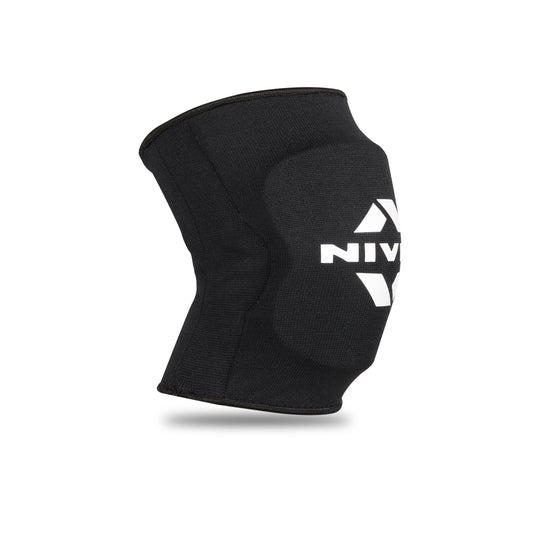
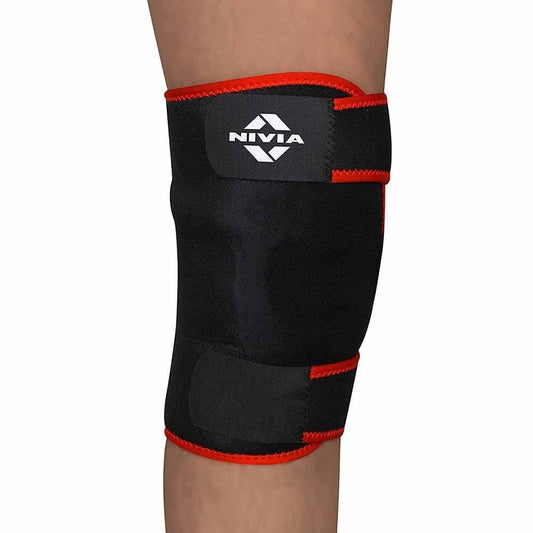
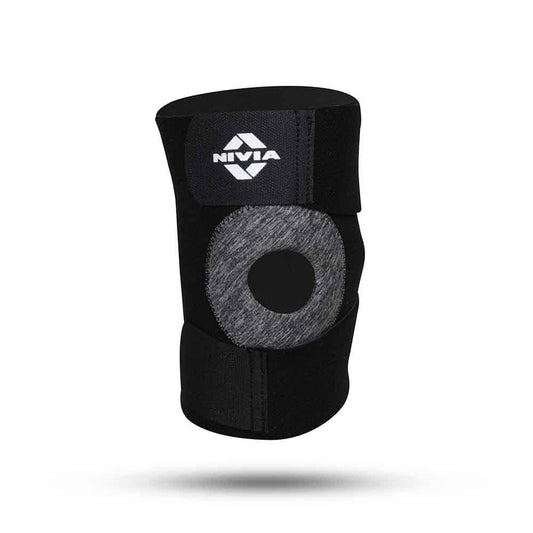
Knee supports come in several forms: slip-in sleeves, patella-hole designs, and adjustable velcro styles. Each type suits a different need, from daily wear to heavy training to post-injury recovery. Choosing the wrong type means you either get too little support or restrict blood flow unnecessarily.
Best Knee Supports for Athletes, Quick Comparison
Use this table to find the right knee support based on your activity and pain point. Every product below comes from Nivia Sports’ orthopedic range, built specifically for active users.
| PRODUCT | BEST FOR | COMPRESSION LEVEL | KEY FEATURE |
|---|---|---|---|
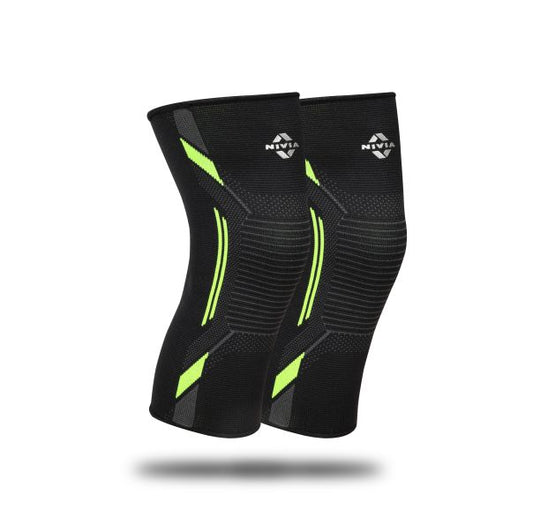
| Orthopedic Knee Support Super Knitted Slip-In | sports, training, jogging, running, gym, everyday use | all-round compression | super knitted slip-in design |
| Knitted Slip-on Knee Support | sports, workouts, joint stability, pain reduction, injury recovery | tight all-round compression | breathable compression fabric joint stability |
| Orthopedic Knee Support With Patella Hole | Injury recovery, Knee support | Firm and Tight Compression | Best For Recovery |
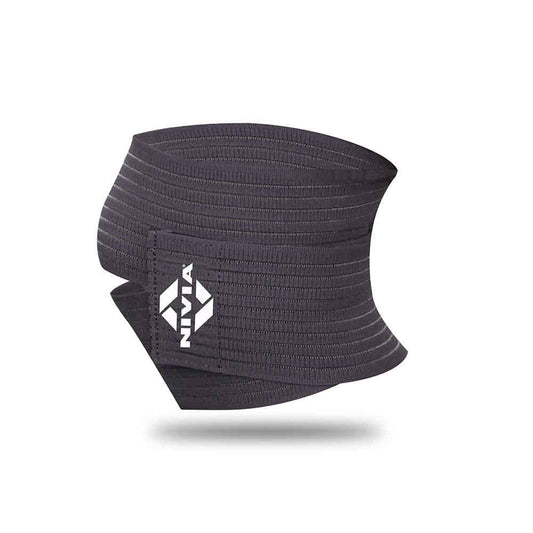
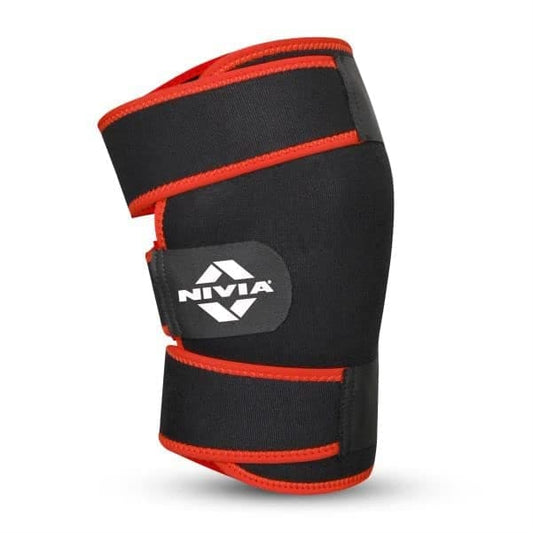
| Orthopedic Knee Support Adjustable | running, exercising, sports, pain relief, cycling | moderate | adjustable velcro straps knee support |
| Orthopedic Knee Support Adjustable With Velcro | running, gym, everyday use | Firm & Moderate | Adjustable as per need |
Pro tip: If you run or train daily, go with a knitted slip-in design for all-day comfort. If your pain is localized around the kneecap, choose a patella-hole support for targeted relief without cutting off circulation.
How to Choose the Right Knee Support for Your Needs
Start with your activity level. Runners and gym regulars need a knee sleeve or knee band that stays in place during high-repetition movement without bunching or sliding. A knitted, slip-in style handles this best because it moves with your leg instead of against it.
Next, assess your pain type. Patella pain, that aching right below or around the kneecap, responds better to supports with a patella cutout. General joint soreness or thigh compression needs benefit more from full-wrap designs that apply even pressure across the whole joint.
Finally, consider fit and adjustability. A fixed sleeve is faster to put on and more streamlined under clothing. An adjustable velcro knee support lets you dial in compression, which matters if your swelling changes throughout the day or between training sessions. Neither is objectively better, the right one is the one you will actually wear consistently.
FAQs About Knee Supports and Knee Pain
Should I wear a knee support during every workout?
Not necessarily. Wear it during high-impact activities, heavy lifting, or when you feel joint discomfort. Relying on it for every low-intensity session may reduce your muscles’ ability to stabilize the joint on their own over time.
Can a knee band help with runner’s knee?
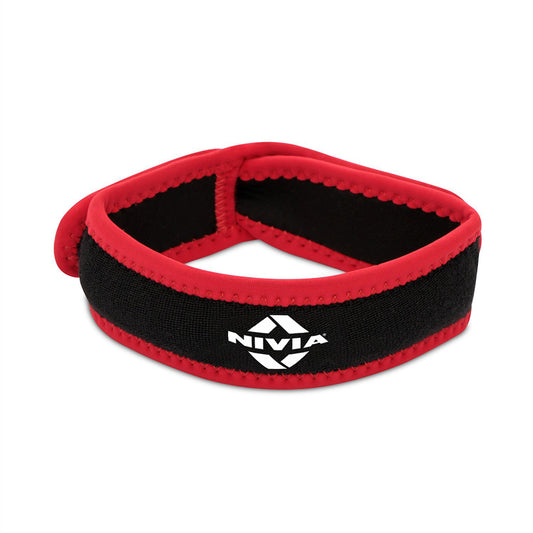
Yes. A knee band or knee belt applies targeted pressure just below the kneecap, which reduces the pull on the patellar tendon during running. Pair it with proper warm-up and stretching for best results.
What is the difference between a knee sleeve and a knee belt?
A knee sleeve covers the entire joint and provides all-round compression. A knee belt or knee strap applies focused pressure to a specific tendon or point. Sleeves suit general pain and swelling; belts suit tendon-specific issues like patellar tendinitis.
Can I use a thigh compression sleeve alongside a knee support?
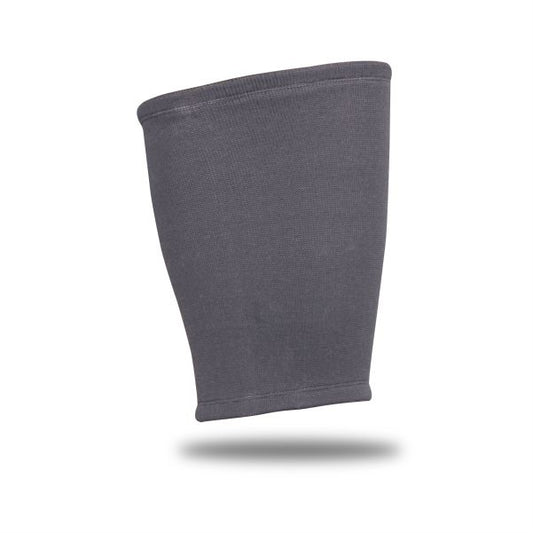
Yes. A thigh compression sleeve targets the quad and hamstring tissue above the knee, while a knee support handles the joint itself. Used together, they reduce vibration and muscle fatigue during longer runs or cycling sessions.
How do I know if the compression is too tight?
If your lower leg feels numb, cold, or you notice tingling within minutes of wearing the support, it is too tight. You should feel firm, even pressure, snug but not constricting. Adjustable velcro models make it easy to find that sweet spot.


