
-
Sold outMRPRegular price ₹ 549Regular priceUnit price perMRP
₹ 230Sale price ₹ 549 -
Sold outMRPRegular price ₹ 549Regular priceUnit price perMRP
₹ 230Sale price ₹ 549 -
-
Sold outMRPRegular price ₹ 1,215Regular priceUnit price perMRP
₹ 1,350Sale price ₹ 1,215 -
MRPRegular price ₹ 580Regular priceUnit price perMRP
₹ 580Sale price ₹ 580 -
MRPRegular price ₹ 199Regular priceUnit price perMRP
₹ 199Sale price ₹ 199 -
MRPRegular price ₹ 170Regular priceUnit price perMRP
₹ 170Sale price ₹ 170 -
MRPRegular price ₹ 520Regular priceUnit price perMRP
₹ 520Sale price ₹ 520 -
MRPRegular price ₹ 220Regular priceUnit price perMRP
₹ 220Sale price ₹ 220 -
MRPRegular price ₹ 190Regular priceUnit price perMRP
₹ 190Sale price ₹ 190


Best Elbow Support Bands for Pain Relief in 2026
You are mid-match, arm cocked for the perfect backhand, when a sharp ache shoots through your elbow. Sound familiar? Millions of athletes push through elbow pain every single day, not knowing that the right support could change everything. That nagging discomfort is not a sign to quit. It is a sign to gear up smarter.
This guide cuts through the noise and helps you find the best elbow support for your sport, your pain level, and your budget. Whether you are a weekend warrior or a daily gym-goer, the right elbow support band can mean the difference between benching yourself and staying in the game.
Why Elbow Support Bands Are a Game-Changer for Athletes
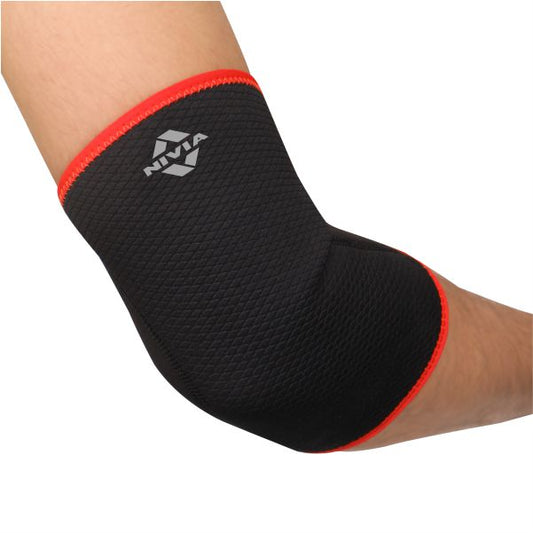
Elbow pain is one of the most common complaints among sports enthusiasts, from tennis elbow and golfer’s elbow to repetitive strain from weightlifting. An elbow support band compresses the soft tissue around the joint, reduces inflammation, and stabilizes the tendons during movement. The result is less pain, better performance, and faster recovery.
Elbow joint support works by offloading stress from the epicondyle, the bony bump where tendons attach. This targeted pressure interrupts the pain cycle and allows you to train without aggravating the injury further. Used consistently, elbow bands can even prevent recurring flare-ups before they start.
Featured Snippet
Elbow support bands are compression sleeves or straps worn around the forearm or elbow joint to reduce pain, stabilize tendons, and support recovery. They are ideal for athletes dealing with tennis elbow, golfer’s elbow, or general joint inflammation during training.
Best Elbow Support Bands in 2026: Product Comparison
The table below compares the top elbow support bands available, ranked by use case, compression level, and athlete feedback.
| PRODUCT | BEST FOR | COMPRESSION LEVEL | KEY FEATURE |
|---|---|---|---|
| Orthopedic Basic Elbow Support | Tennis, badminton, gym | Medium-firm | Targeted strap compression |
| Orthopedic Performance Elbow Support | General training, recovery | Moderate | Full-sleeve warmth and support |
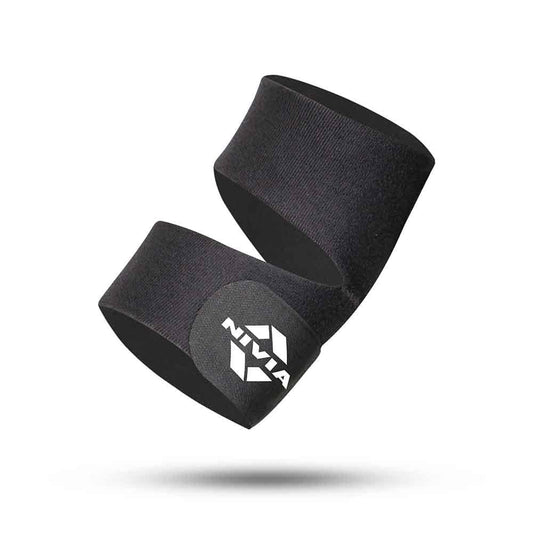
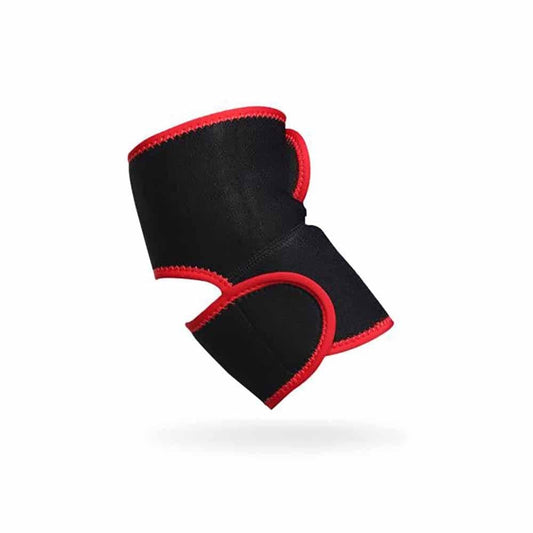
| Nivia knitted Elbow Support | Heavy lifting, CrossFit | Firm | Double-strap adjustability |
| Orthopedic Performance Tennis Elbow Support | Tennis, Badminton, paddle, and pickleball | Firm | muscle comfort. Breathable, low-profile fit |
| Nivia Orthopedic Elbow Support | Sports, Post-injury rehabilitation | Firm & adjustable | Two-way straps for Max Grip and Support |
Each of these elbow support bands is purpose-built for a different type of athlete. A sleeve suits those who need all-day wear and consistent compression, while a strap-style band is better for targeted relief during intense activity.
Pro Tip: If you experience pain specifically during gripping or lifting movements, a single or dual-strap elbow band placed just below the elbow joint delivers the most direct relief. For general soreness or post-workout recovery, a full neoprene sleeve is the smarter choice.
How to Choose the Right Elbow Support Band
Match the Band to Your Pain Type
Not all elbow pain is the same. Tennis elbow (lateral epicondylitis) affects the outer side of the elbow, while golfer’s elbow (medial epicondylitis) targets the inner side. Choosing the correct elbow band for your specific condition ensures you get compression exactly where you need it.
Consider Compression Level and Material
Lighter compression suits mild soreness and prevention. Firmer compression works better for active injuries or high-intensity sports. Neoprene retains heat for deeper muscle relaxation, while breathable fabrics are better suited to long training sessions in warm conditions.
Check the Fit and Adjustability
A band that slips mid-game is worse than wearing nothing at all. Look for adjustable Velcro straps, non-slip inner lining, or anatomical contouring that holds the band in place. Measure your forearm circumference just below the elbow to select the correct size.
Think About Layering with Back Support
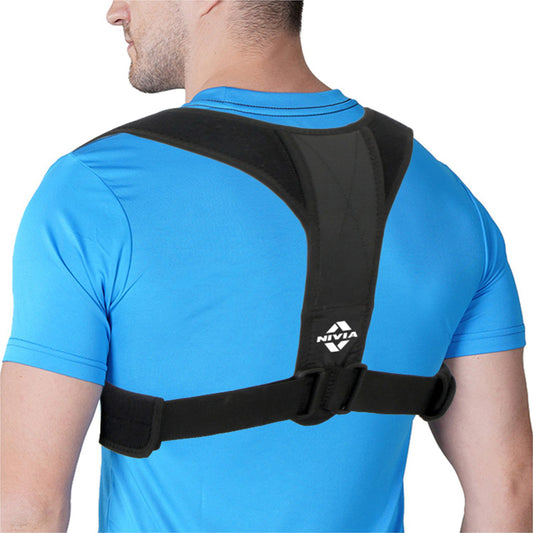
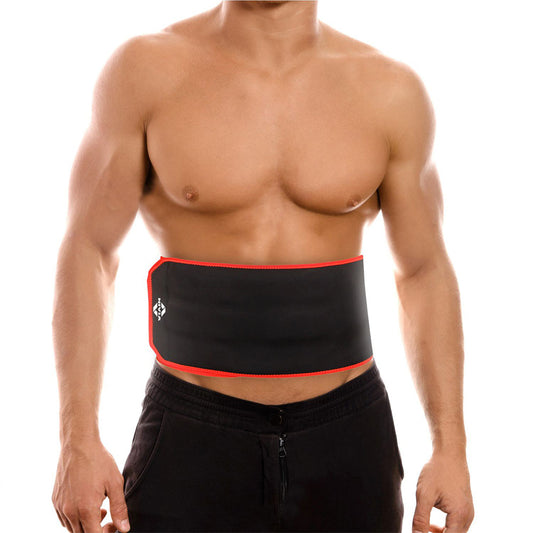
Many athletes experience interconnected pain across the upper and lower body. If you also carry a back brace or back support belt during training, make sure your elbow support band does not restrict your natural range of motion during bends and twists.
Frequently Asked Questions About Elbow Support Bands
How long should I wear an elbow support band each day?
Most physiotherapists recommend wearing an elbow band during activity and removing it during rest. Wearing compression continuously for more than 8 hours is not advised unless directed by a medical professional, as it can affect circulation.
Can elbow support bands be worn during contact sports?
Yes, most elbow bands are designed to stay in place during dynamic movement, including contact sports. Choose a firm, low-profile band with a non-slip lining for the best results in high-contact environments.
Do elbow bands help with weightlifting?
Absolutely. Elbow joint support during lifting reduces tendon stress, particularly in exercises like tricep extensions, rows, and overhead presses. A dual-strap or firm compression band is the most effective option for lifters.
Are elbow bands a replacement for medical treatment?
No. Elbow support bands manage symptoms and support recovery, but they do not treat the underlying cause. Always consult a sports medicine professional for persistent or severe elbow pain.
Can I use a back brace alongside an elbow support band?
Yes, and many athletes do. A back support belt stabilizes the lower spine while an elbow band addresses arm mechanics. Used together, they allow safer, more confident training across multiple muscle groups.


